
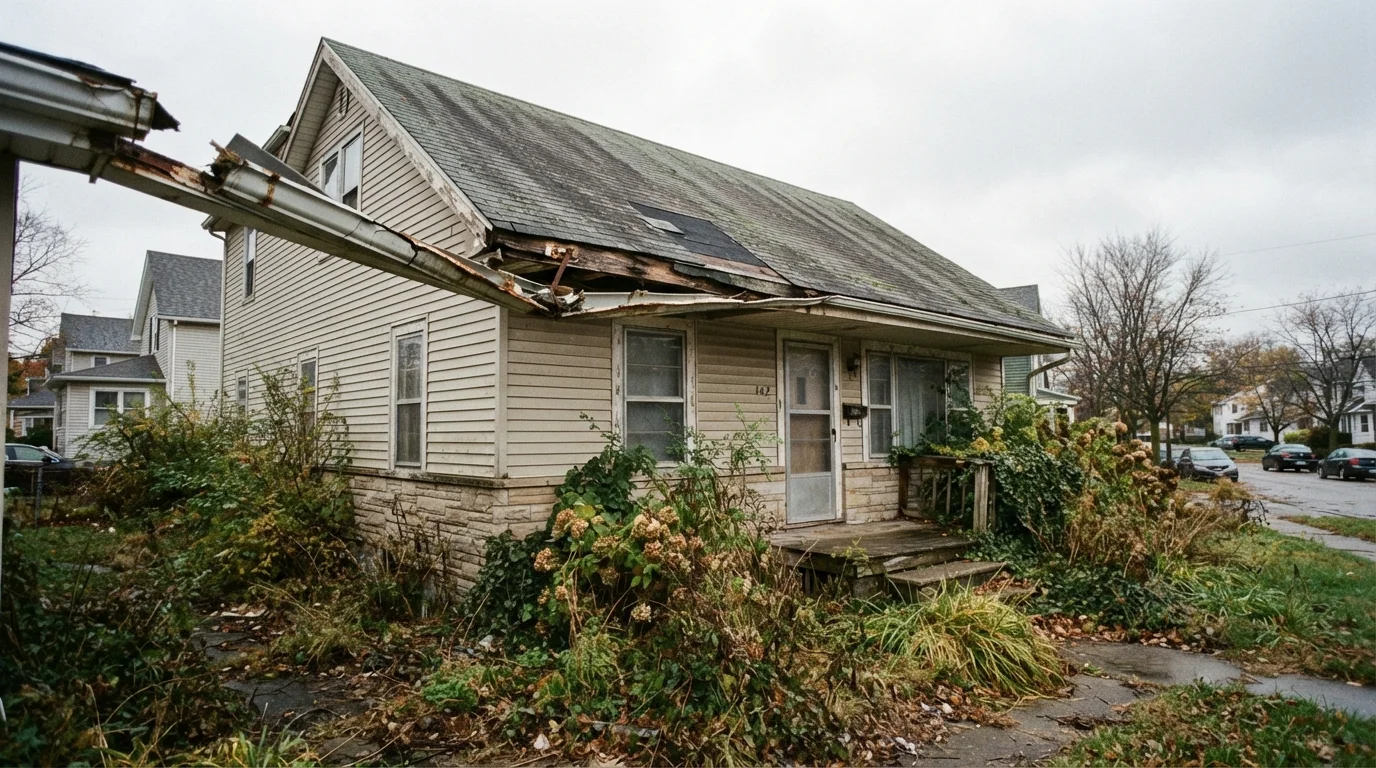
Why skipping maintenance is not actually saving money
Most homeowners skip routine tasks for one of two reasons: they feel too busy, or they assume the cost can wait. Both are understandable. Neither holds up when you look at the actual repair bills that follow.
The core problem is compounding damage. A roof with one missing shingle lets in moisture. That moisture softens the sheathing underneath. Over one or two winters, the sheathing deteriorates and may involve the rafters. What began as a $30 shingle and a tube of roofing sealant can become a $4,000 to $12,000 repair once structural wood is involved. The original cost did not go away; it multiplied.
Water is the single most aggressive force in residential construction. It finds every path through gaps in caulk, cracked mortar, and clogged gutters, and it does consistent damage whether or not anyone notices. Most of the large, expensive repairs that homeowners face trace back to water getting somewhere it was not supposed to be, often through a point of entry that cost very little to seal.
The seasonal maintenance checklist approach directly addresses this: catching those entry points before moisture has time to work.
The most commonly overlooked tasks and their real cost ranges
Certain maintenance items appear on every professional inspector's list because they generate the most expensive follow-on damage when skipped. Here are the ones that tend to surprise homeowners most.
Gutters and downspouts
Cleaning gutters once or twice a year typically costs $100 to $250 when hired out, or just an afternoon if done yourself. A clogged gutter system sends water behind fascia boards, into soffits, and along foundation walls. Foundation waterproofing repairs range from $2,000 to over $10,000 depending on severity.
Caulk and weatherstripping
A tube of exterior caulk costs $6 to $15. Recaulking windows and door frames takes two to three hours. Skipping it allows air and water infiltration that raises heating and cooling costs year-round and can lead to wood rot around frames.
HVAC filters and annual service
A standard furnace filter costs $5 to $30. Running a system with a clogged filter strains the blower motor and heat exchanger. HVAC replacement runs $5,000 to $12,000 for a central system. Annual professional servicing, typically $80 to $150, catches small issues before they cascade.
Roof inspections
Many roofing contractors offer free or low-cost visual inspections. Finding one lifted flashing or a cracked boot seal and fixing it early costs $150 to $400. Waiting until water appears on interior ceilings means dealing with decking, insulation, and possibly drywall on top of the roofing repair itself.
1% rule
Annual maintenance budget guideline
A widely cited rule of thumb in personal finance suggests budgeting roughly 1% of a home's value per year for maintenance; older homes or those in harsher climates often need more.
$2,000+
Typical foundation drainage repair starting cost
Minor foundation waterproofing repairs can start around $2,000; more extensive drainage or crack injection work can reach $10,000 or more depending on scope and region.
$5,000-$12,000
Central HVAC system replacement cost range
Residential HVAC replacement costs vary by system type, home size, and region; annual filter changes and professional servicing are intended to extend system life well beyond 15 years.
When DIY saves money and when it does not
A realistic view of DIY home maintenance separates two categories: tasks where a homeowner with basic tools can do the work safely and correctly, and tasks where attempting the work without proper training creates safety hazards or code violations that cost more to fix than hiring a professional would have.
Caulking, gutter cleaning, filter replacement, painting, weatherstripping, and minor drywall patching are all reasonable DIY territory for most homeowners. These tasks require modest skill, carry low risk of serious error, and have materials costs well under $100 in most cases.
Electrical panel work, gas line repairs, structural modifications, and main plumbing line work are not DIY territory under most local building codes, regardless of a homeowner's comfort level. Unpermitted work in these areas can void homeowners insurance, create liability when the home is sold, and pose real safety risks. The common DIY myths article covers several cases where confidence in self-repair leads to a larger bill than the original problem.
For tools needed on a one-time or occasional project, renting rather than buying keeps costs lower. The renting versus buying tools breakdown helps identify which side of that line a given project falls on.
The same logic that applies to homes applies to vehicles. The scheduled vs. reactive repair comparison for cars shows how deferral costs compound in any mechanical system, not just houses.
Building a maintenance habit that fits a family budget
A structured approach does not require much money upfront; it requires consistency. Homeowners who schedule walkthroughs seasonally and keep a simple log of what was checked, repaired, or noted tend to catch problems at the cheap end of the repair spectrum.
A basic four-season schedule looks like this: in spring, check the roof after winter weather, clean gutters, inspect foundation drainage, and test smoke and carbon monoxide detectors. In summer, recaulk exterior gaps, service the HVAC before peak cooling demand, and check window screens. In fall, clean gutters again before leaf drop ends, service the furnace or heat pump, and drain outdoor faucets in cold-climate regions. In winter, monitor attic for ice dam formation and check under sinks for slow drips that worsen in cold weather.
None of these tasks requires professional help or expensive equipment. Most take an hour or less. The value is in doing them on schedule rather than waiting for a symptom to appear.
Homeowners who maintain records also have an advantage when selling. Documented maintenance history supports asking price and reduces the negotiating leverage a buyer gains from an inspection report full of deferred items.
This article is for general informational purposes only. Cost ranges cited are illustrative and vary by region, home age, and contractor. Consult a licensed contractor or home inspector for assessments specific to your property. Always verify local permit and code requirements before undertaking repair work.