
What each approach actually means
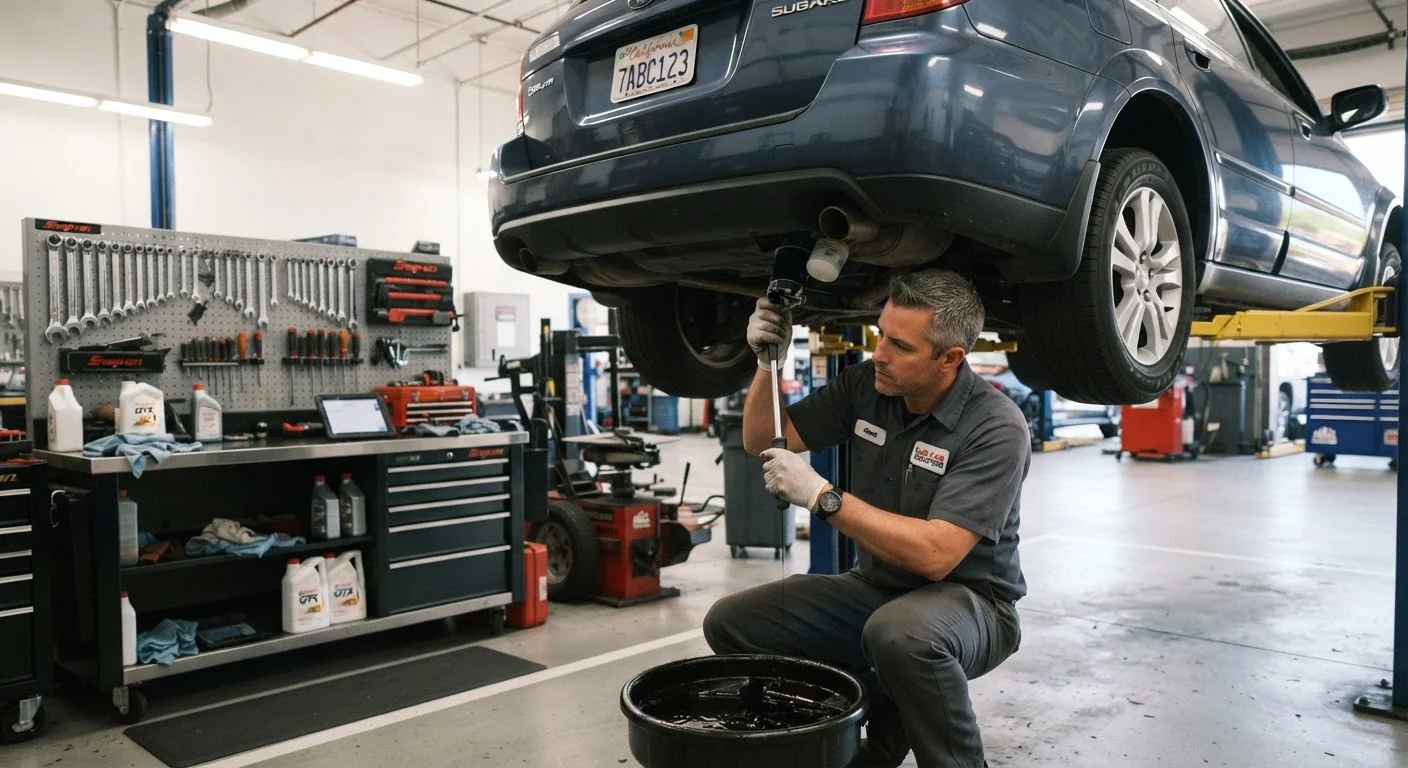
Scheduled maintenance follows intervals set by the vehicle manufacturer, typically specified in miles, months, or both. Common items include oil and filter changes, tire rotations, brake inspections, air filter replacements, coolant flushes, and transmission fluid changes. Each service is designed to replace or inspect a part before it fails, not after.
Reactive repairs happen when a component has already degraded or broken. The owner notices a warning light, a strange noise, or a performance problem, then takes the vehicle in. At that point the mechanic is addressing damage, not preventing it, and the parts involved are often more extensive than a simple consumable swap.
The distinction matters because the two approaches produce very different cost structures over time. Scheduled service spreads known expenses across ownership. Reactive repair concentrates costs into unpredictable spikes. For families trying to plan a monthly transportation budget, that difference is significant. See vehicle ownership habits that compound savings for how small consistent actions fit into a broader cost-reduction strategy.
Five-year cost comparison
The figures below are general estimates based on typical ownership patterns for a mid-size family sedan. Actual costs vary by make, model, region, and driving conditions. They are not a guarantee of what any individual owner will pay.
| Criterion | Scheduled maintenance | Reactive repairs |
|---|---|---|
| Typical 5-year spend (mid-size sedan, estimate) | $1,500 to $3,000 | $4,000 to $9,000+ |
| Cost predictability | High, plannable | Low, arrives as spikes |
| Risk of secondary damage | Low | High |
| Effect on fuel economy | Maintained or improved | Often reduced |
| Impact on resale value | Positive with documented history | Negative, history gaps discount price |
| Likelihood of roadside breakdown | Lower | Higher |
A missed oil change is the most common starting point for reactive cost escalation. Engine sludge from degraded oil can damage bearings, camshaft surfaces, and variable valve timing components. A standard oil change costs roughly $50 to $100; an engine repair triggered by lubrication neglect can run $2,000 to $8,000 or more depending on severity. The ratio is consistent across other systems: a coolant flush costs around $100 to $150, while a cracked head gasket from overheating runs $1,500 to $3,000 in labor alone.
Fuel economy adds a secondary cost. Dirty air filters, under-inflated tires, and degraded spark plugs each reduce miles per gallon by measurable amounts. The U.S. Department of Energy has noted that proper tire inflation alone can improve fuel economy by up to 3 percent, and fixing a faulty oxygen sensor can improve it by as much as 40 percent. Those savings accumulate across every fill-up.
Where reactive costs escalate fastest
Three systems account for the largest share of avoidable reactive repair bills: the engine lubrication system, the cooling system, and the transmission. All three rely on fluid quality and level, which scheduled maintenance addresses directly.
Transmission repairs are particularly expensive because the component is labor-intensive to access. A fluid change at the recommended interval costs $100 to $200 for most vehicles. A transmission rebuild or replacement, which skipped fluid changes can eventually trigger, runs $2,500 to $5,000 or more. Timing belt or chain failures tell a similar story: the belt itself costs $150 to $300 to replace on schedule; if it snaps while the engine is running, bent valves and piston damage can push the repair past $3,000.
There is also a resale dimension. Vehicles with documented service histories command higher private-sale prices. A buyer who sees a complete maintenance log has evidence the car was not run to failure. A gap-filled or absent history creates uncertainty that buyers price in as a discount, sometimes several hundred to a few thousand dollars depending on vehicle age and mileage.
The principle that deferred maintenance produces compounding costs applies beyond vehicles. The hidden costs of skipping routine home maintenance covers the same pattern in a household context.
Making scheduled maintenance work on a budget
The practical barrier for many families is cash flow. A $600 annual maintenance budget can feel harder to commit to than absorbing a repair bill that may or may not arrive this year. A few habits make the math easier to manage.
First, match service timing to paychecks or tax refunds rather than waiting until a mileage light triggers a visit. Second, ask the shop for a written multi-point inspection at each visit so you know which items are due soon. That gives you weeks or months to set aside the funds instead of facing an urgent decision at the counter. Third, keep a simple log of every service in the glove compartment. It costs nothing and adds value at resale.
Some owners wonder whether DIY service closes the cost gap further. For straightforward tasks like air filter swaps and wiper blade changes, the answer is generally yes. For anything involving the brake system, cooling system, or drivetrain fluids, a qualified mechanic should do the work, and local regulations in some states require licensed shops for certain inspections. Check your state's requirements before taking on any regulated task.
Consistent small habits, including checking tire pressure monthly and watching for early warning signs, can also extend the interval between shop visits without skipping any manufacturer-required service.