
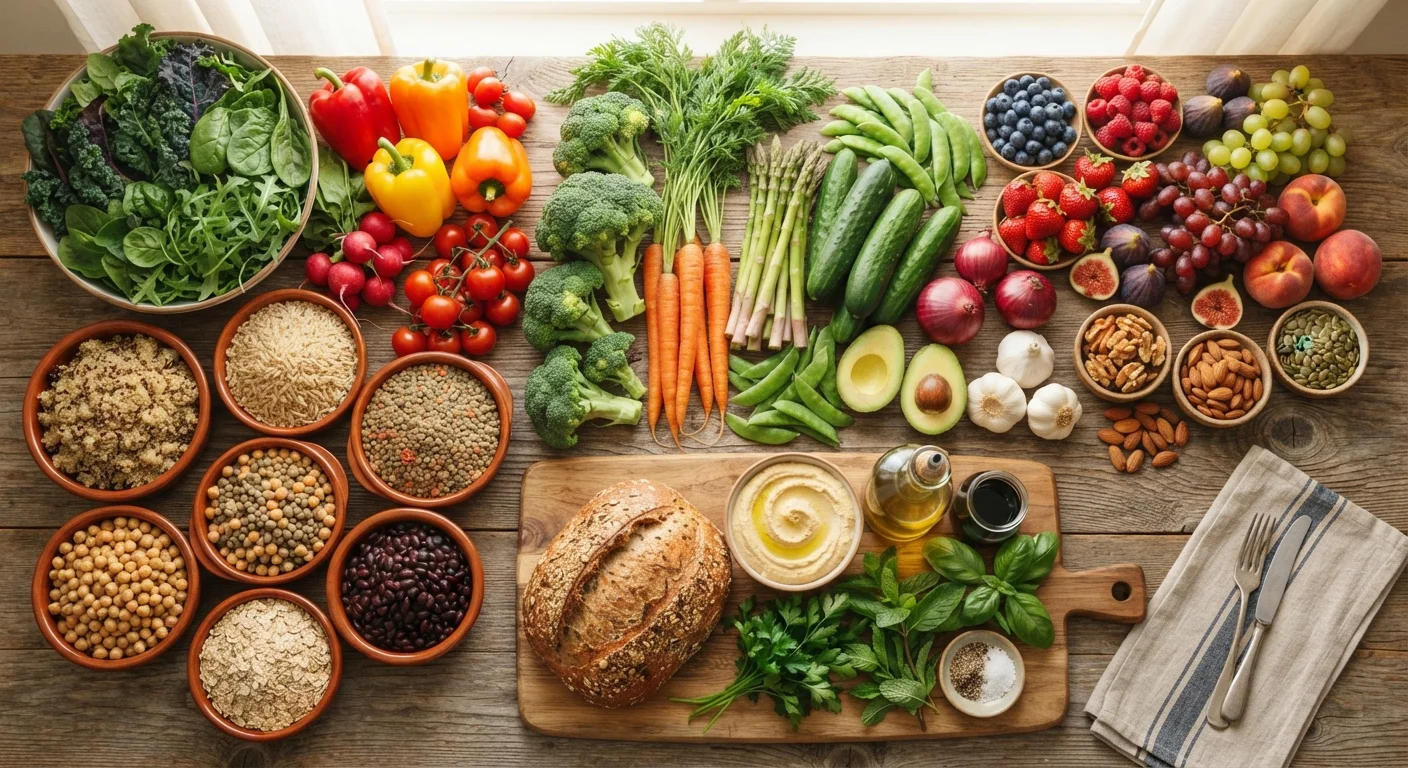
Where the 'healthy eating is expensive' idea comes from
The belief that nutritious food costs more is widespread, and it is not entirely without basis. Premium health food stores, specialty items like cold-pressed juices, and branded protein supplements genuinely do cost more than basic grocery staples. The problem is that those products are not what a healthy diet requires. When families equate "healthy" with "specialty," the cost comparison skews against everyday whole foods that do not carry that premium.
Marketing amplifies the confusion. Products with clean-label claims, wellness branding, or elaborate packaging charge more, and exposure to those products shapes what people think a healthy diet looks like. In reality, the dietary patterns associated with long-term health, diets rich in vegetables, legumes, whole grains, and lean proteins, rely on some of the oldest and least marketed foods in the store.
This same pattern of perception versus reality shows up in other spending categories. Families often discover similar gaps between assumed and actual costs when they examine travel or finance assumptions. For a related look at budget misconceptions, see common money myths that affect household savings.
Myth
Eating healthy costs significantly more than eating a typical American diet.
Fact
The most nutrient-dense foods, including dried beans, lentils, oats, eggs, canned fish, and seasonal vegetables, are consistently among the least expensive items in any grocery store.
The comparison that makes healthy eating look expensive often pits fresh organic produce against a dollar-menu fast food item. That framing ignores the per-serving math. A one-pound bag of dried lentils costs roughly a dollar or two and yields around ten servings of protein-rich food. A carton of eggs provides complete protein at a fraction of what the same protein costs from processed deli meats. The perception of high cost frequently comes from comparing whole foods to individual fast-food items rather than full weekly household food budgets.
A 2021 analysis published in the Journal of the Academy of Nutrition and Dietetics found that a diet meeting federal dietary guidelines was achievable within USDA thrifty food plan spending levels, though it required deliberate planning and selection. The cost gap between healthy and unhealthy eating is far narrower than most families assume, and in many cases reverses when ultraprocessed foods are priced per nutrient rather than per calorie.
Myth
You have to buy organic to eat healthily.
Fact
Conventionally grown produce meets the same nutritional standards as organic and provides the same fiber, vitamins, and minerals at a lower price.
Organic certification addresses farming practices and pesticide use, not nutrient content. Studies, including a systematic review published in Annals of Internal Medicine, have found no consistent evidence that organic produce is nutritionally superior to conventionally grown equivalents. For families on a fixed budget, buying conventional allows significantly more produce volume for the same spending, which matters more for overall diet quality than the organic label does.
If pesticide residue is a concern, prioritizing produce with thicker, inedible skins, like avocados, onions, pineapples, and sweet corn, tends to have lower detectable residues regardless of farming method. Washing all produce thoroughly is a simple, free step that reduces surface residues. Spending the organic premium on every item is not necessary to eat a vegetable-rich diet.
Myth
Frozen and canned vegetables are nutritionally inferior to fresh.
Fact
Frozen vegetables are typically frozen within hours of harvest, which locks in most vitamins and minerals. Many canned vegetables also retain strong nutrient profiles.
Fresh produce loses nutrients during transport and storage. By the time out-of-season vegetables travel from farm to supermarket shelf, some water-soluble vitamins, particularly vitamin C and folate, have already degraded. Frozen vegetables bypass most of that window and frequently contain comparable or higher levels of certain nutrients than their fresh counterparts purchased mid-winter.
Canned vegetables are similarly viable. Sodium content in canned products can be high, but rinsing canned beans or vegetables removes a significant portion of added sodium. Low-sodium canned options are widely available at similar price points. Families who rely on frozen spinach, canned tomatoes, or frozen peas are not making a nutritional compromise; they are making a practical and often superior economic choice.
Myth
Cooking healthy meals from scratch takes too much time to be realistic.
Fact
Many nutritious meals made from whole foods take 30 minutes or less, and batch cooking can prepare several days of healthy food in one session.
The time argument typically compares a home-cooked elaborate meal to reheating a frozen dinner. A more realistic comparison is a pot of rice and beans with a bag of frozen broccoli versus ordering takeout. The former takes under 30 minutes of active cooking time and costs a fraction of the latter. Batch cooking, where a family prepares grains, legumes, or roasted vegetables in bulk on one day of the week, can reduce weeknight cooking to simple assembly rather than full preparation.
A slow cooker or pressure cooker changes the equation further: dried beans can be cooked overnight or in under an hour with minimal hands-on time. These preparation approaches do not require culinary skill or expensive equipment, only a small amount of weekly planning.
Myth
Buying in bulk always saves money on healthy food.
Fact
Bulk buying saves money only when the food gets used before it spoils; buying more than a household can consume often increases food waste and net spending.
Bulk purchasing makes practical sense for shelf-stable items: dried lentils, oats, brown rice, canned tomatoes, and dried pasta all store well and are worth buying in larger quantities when cost-per-unit is lower. Perishables like fresh produce, bread, or dairy purchased in bulk frequently go to waste before a family finishes them, wiping out any per-unit savings.
A more effective approach is to buy perishables in amounts the household will realistically consume within three to five days, and reserve bulk buying for items that can be stored for weeks or months. This also reduces the financial pressure that can push families toward less nutritious convenience foods when fresh ingredients sit unused.
Practical ways families can lower food costs without sacrificing nutrition
The most consistent cost-reduction strategy is building meals around plant-based proteins. Dried or canned beans, lentils, chickpeas, and split peas cost less per gram of protein than almost any animal protein. They also provide fiber and micronutrients that processed food staples lack. Combining them with whole grains like brown rice, barley, or oats produces complete, satisfying meals at minimal cost.
Seasonal produce offers another reliable lever. Vegetables and fruits in season are cheaper and often more flavorful than out-of-season imports. When a seasonal item is abundant, buying extra and freezing it extends that value. Families who build their weekly menu around what is already affordable at the store, rather than finding the cheapest route to a fixed recipe, tend to spend less and waste less.
Planning matters more than willpower or cooking skill. A simple weekly meal plan that cross-uses ingredients, for example, roasting a tray of vegetables that appears in both Tuesday's dinner and Wednesday's grain bowl, reduces both waste and impulse purchases. This kind of preventive approach to food spending also connects to broader health cost savings over time. For more on that angle, see preventive health habits that reduce long-term medical costs.
This is general nutrition information, not medical advice
The information in this article is for educational purposes and does not substitute for guidance from a registered dietitian or healthcare provider. Individual dietary needs vary based on age, health status, and medical history. Consult a qualified professional before making significant changes to your or your family's diet, especially for children, pregnant individuals, or those managing chronic conditions.
This article is for informational purposes only and is not a substitute for advice from a registered dietitian or qualified healthcare provider.